9-12th December 2026
Venue: Attie van Wijk Auditorium, Stellenbosch University
Venue: Attie van Wijk Auditorium, Stellenbosch University
What does it mean to bear witness in a time of relentless violence?
When images of cruelty dominate our screens and when acts of public witnessing seem to deepen hostility rather than foster compassion, what remains of the ethical power of witnessing?
When images of cruelty dominate our screens and when acts of public witnessing seem to deepen hostility rather than foster compassion, what remains of the ethical power of witnessing?

Pumla Gobodo-Madikizela,
Chair of the Conference Organising Committee
Chair of the Conference Organising Committee
Pumla Gobodo-Madikizela, professor in the Faculty of Arts and Social Sciences and Chair and Director of the Centre for the Study of the Afterlife of Violence and the Reparative Quest (AVReQ) at Stellenbosch University. Gobodo-Madikizela has led the organisation of several international conferences on themes of historical trauma, memory, the afterlife of violence and the breaking of its intergenerational repetitions. This conference is an invitation to engage in critical scholarly reflection and public dialogue on bearing witness to atrocities, its psychological and collective imperative, its ethical power, and its possibilities and limits.
We have applied for HPCSA CPD Accreditation.
Please take advantage of the extension for abstract submission
until July 24.
Please take advantage of the extension for abstract submission
until July 24.
Conference Overview
Historically, the atrocity of the Holocaust deepened our understanding of the moral imperative to bear witness. This recognition, exemplified through memoirs, films, news reports, and photography, highlighted the importance of testifying to the horrors of genocide and other mass atrocities. In South Africa, the Truth and Reconciliation Commission, despite its limitations, sought to create a space for survivors and victims’ families to bear witness to their suffering, offering a path towards the possibility of repair. Yet in the face of contemporary global crises, the act of witnessing often feels fraught with ambiguity. Atrocities unfold on our television screens in real time, with images and narratives of violence dominating our media.
This conference seeks to explore the ethical, emotional, and political dimensions of bearing witness to suffering both near and distant. What does sustained exposure to the pain of others evoke in us? Does it call forth our empathy and a sense of moral urgency, or does it risk numbing us and engendering detachment, or even an uneasy sense of complicity? Does witnessing itself carry ethical weight, leading to a form of psychic vulnerability?
At the same time, bearing witness testimony is not always received with openness; it can be met with scepticism, weaponised for political ends, or dismissed altogether. How, then, might we cultivate practices of witnessing that resist indifference, and ensure instead that they open the possibility of acts of care, solidarity, and ethical engagement with those who suffer? What role can art, literature, and other forms of creative expression play in bearing witness to atrocity and contribute to cultivating practices of repair?
Introducing Our Renowned Plenary Speakers

Prof Tamar Garb

Prof Joel Modiri
(Opening Keynote Speaker)
(Opening Keynote Speaker)

Prof Homi K. Bhabha
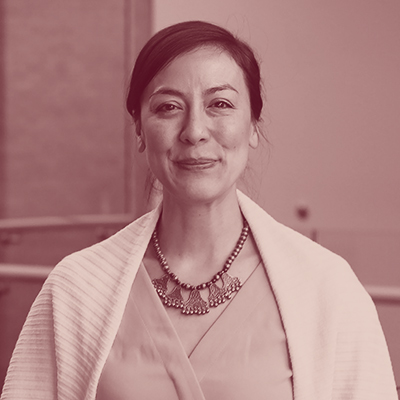
Assoc. Prof Delia Ba Wendel